Skip to content

Startups & founders.

Define the first version, prototype its main screens and build the core task.
Founders planning a first product release in a small studio
HEAVENKEYS / INDUSTRY

Digital work built around your industry.

Websites, applications and connected workflows shaped around your customers, your team and the information you maintain.

Discuss your project ↗
Your context matters
We help define the first version, prototype its main screens and build the core task. For products that depend on AI models or agents , the plan also covers data access, evaluation and operating costs.
Connected capabilities

What we can build for startups & founders.

MVP and product operations
A prototype looks complete but does not support the full working task.

What we can build: We can define a first useful release with account setup, core task records, operational support and acceptance criteria. Concept screens remain clearly distinguishable from a working product.

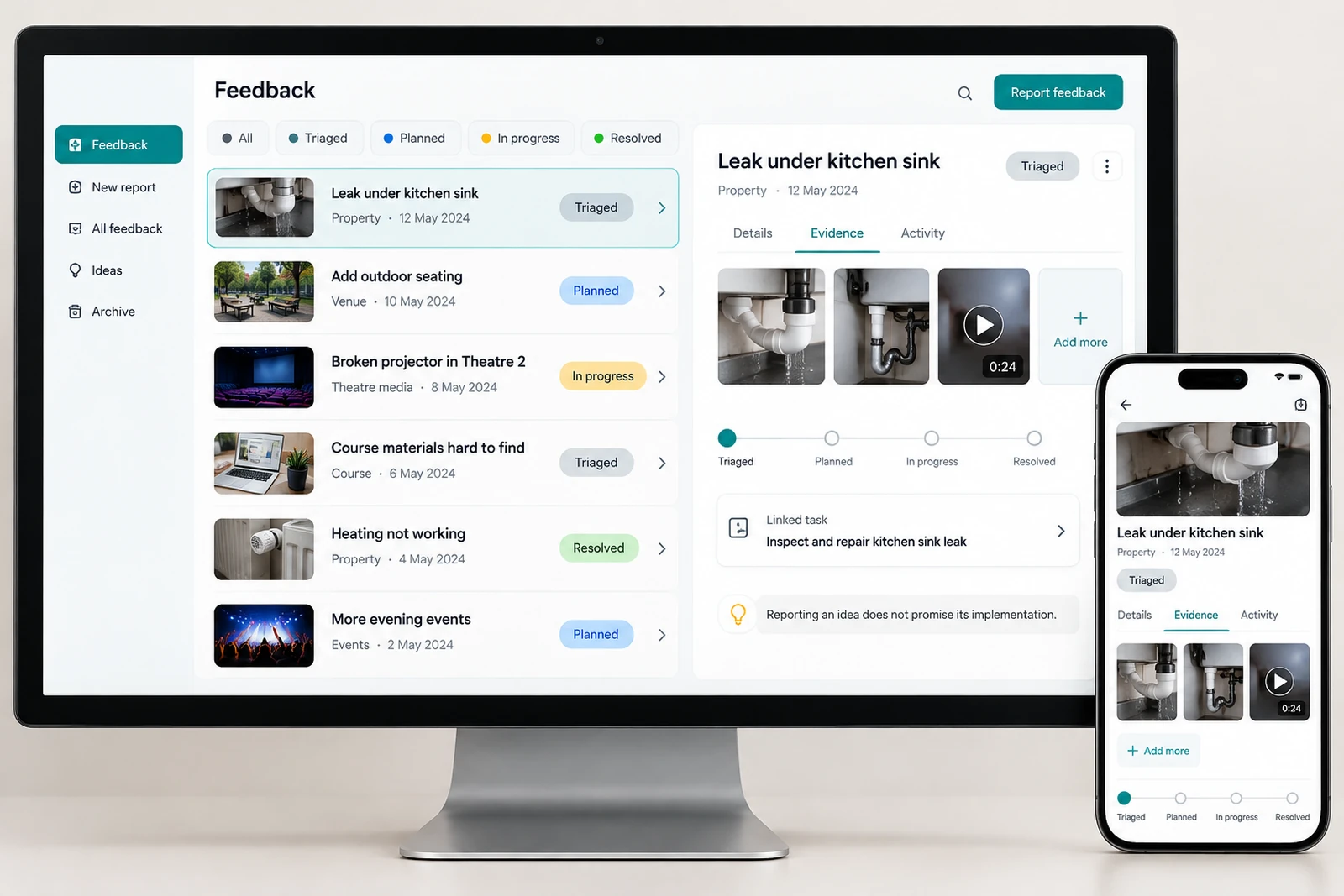
User feedback with screenshots and video
Bug reports omit the steps or evidence needed to investigate.

What we can build: A feedback workspace can collect the affected task, screenshots or permitted recordings and show triaged, planned, in progress and resolved stages. Reporting an idea does not promise its implementation.

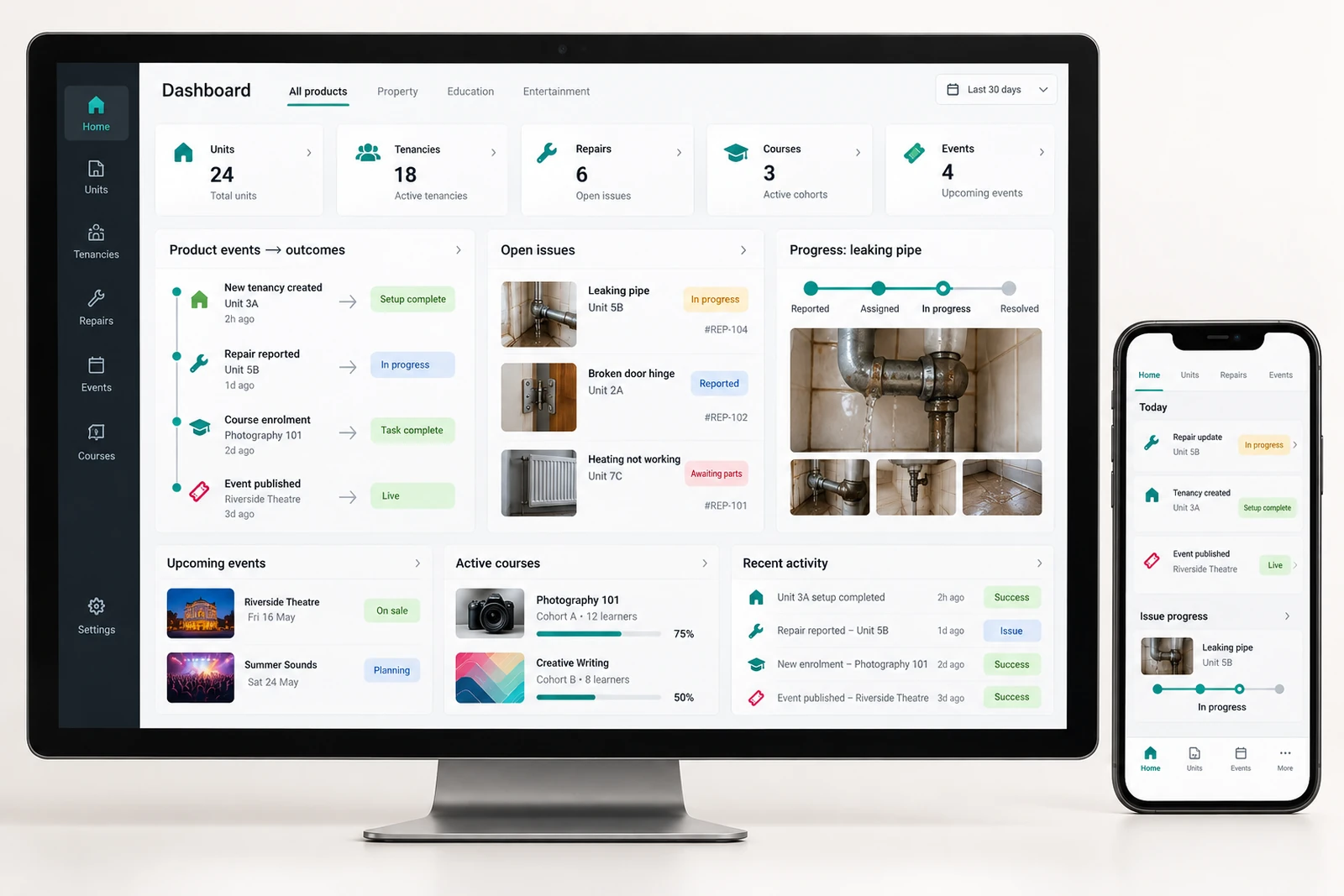
Founder product dashboard
Founders cannot see where onboarding fails or support queues grow.

What we can build: A dashboard can connect agreed product events to setup states, successful tasks and unresolved issues, using actual data rather than invented adoption figures.

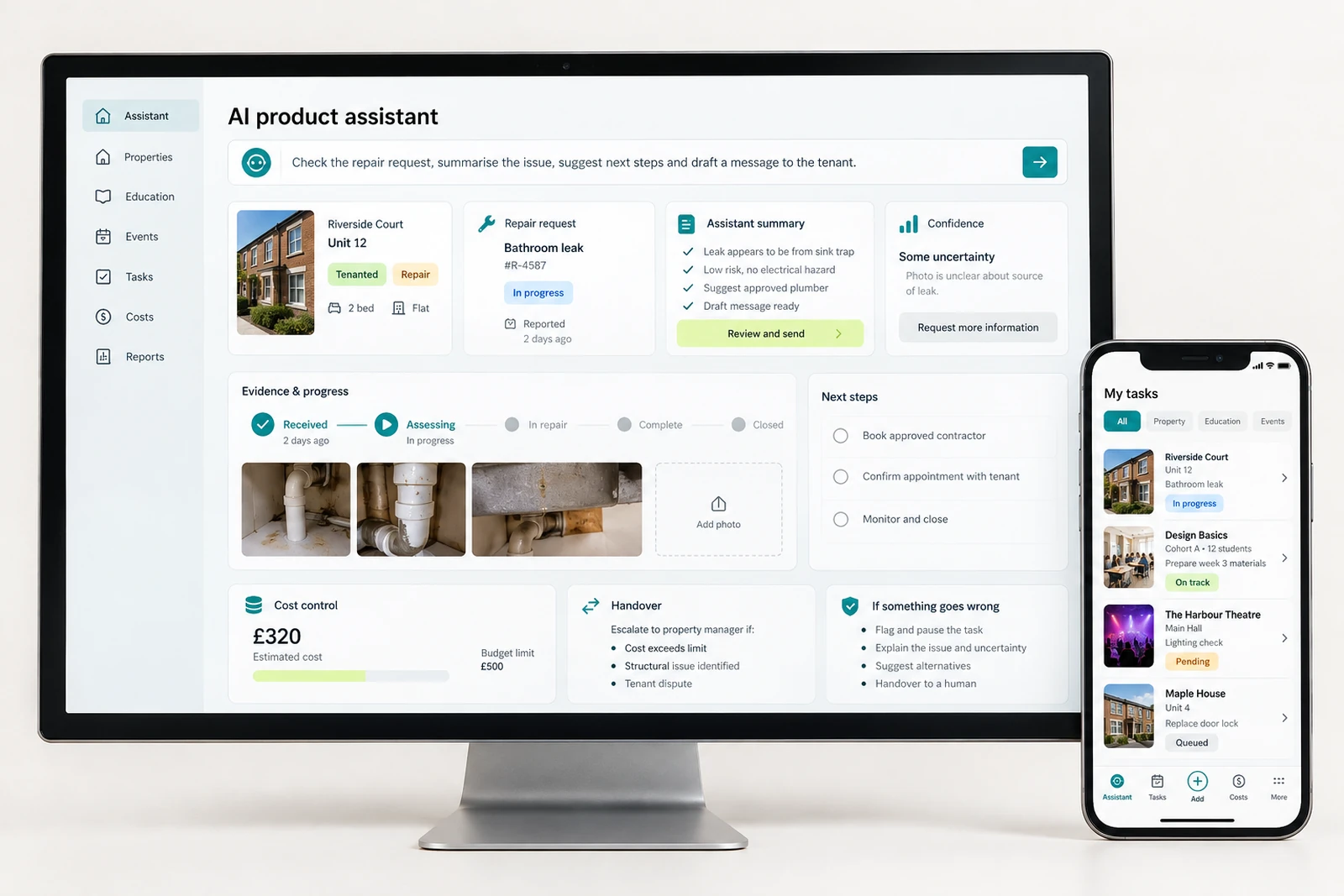
AI product assistant
Users need help completing the main task and staff need useful summaries.

What we can build: An assistant can support a defined task using authorised information, disclose uncertainty and hand off when needed. Review, cost controls and failure handling are part of the feature scope.

Accounts and subscription management
Billing labels and permissions diverge from provider states.

What we can build: We can connect the chosen identity and payment providers, keeping pending, active and cancelled states explicit. Access changes follow verified provider events and agreed rules.

Release and support workspace
Roadmap ideas, bugs and approved work become mixed together.

What we can build: A workspace can separate feedback, confirmed issues and committed release scope. Staff record decisions and customer-facing updates without promising every suggestion.

Experiment and release evaluation
Teams cannot connect feedback to a clear product hypothesis.

What we can build: A workspace can record the proposed change, intended task and observed results, with decisions separated from unverified growth claims.

Cost and provider usage visibility
External service usage grows without clear operational ownership.

What we can build: A dashboard can display available provider usage records and defined alerts, with limits and billing responsibilities agreed before release.

Knowledge and onboarding resources
Support staff lack current product instructions.

What we can build: A maintained library can hold approved setup guides and release notes, linked to the product version they describe.

Data export and account lifecycle
Early products overlook what happens when a customer leaves.

What we can build: We can scope account closure, authorised exports and retention behaviour as explicit workflows, with clear staff responsibilities and review of private data handling.

PAIN POINTS AND POSSIBLE SOLUTIONS

Platforms that support the everyday work.

These are systems we can scope and build around your operations. Features, integrations and responsibilities are agreed for your project; they are not claims that every capability is already available in a finished product.
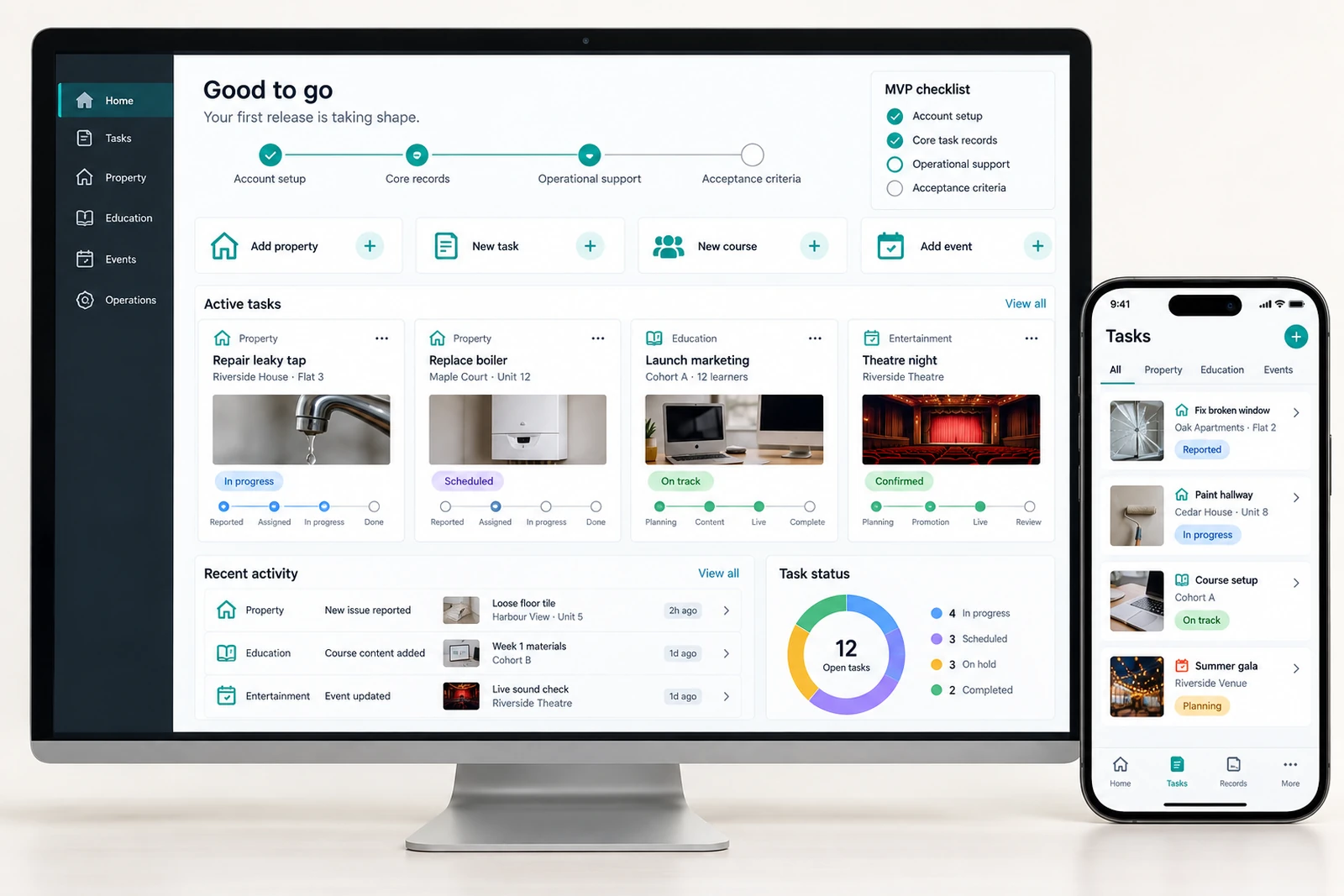
Startups & founders — MVP and product operations interface concept

MVP and product operations

The problem: A prototype looks complete but does not support the full working task.
What we can build

We can define a first useful release with account setup, core task records, operational support and acceptance criteria. Concept screens remain clearly distinguishable from a working product.

Startups & founders — User feedback with screenshots and video interface concept

User feedback with screenshots and video

The problem: Bug reports omit the steps or evidence needed to investigate.
What we can build

A feedback workspace can collect the affected task, screenshots or permitted recordings and show triaged, planned, in progress and resolved stages. Reporting an idea does not promise its implementation.

Startups & founders — Founder product dashboard interface concept

Founder product dashboard

The problem: Founders cannot see where onboarding fails or support queues grow.
What we can build

A dashboard can connect agreed product events to setup states, successful tasks and unresolved issues, using actual data rather than invented adoption figures.

Startups & founders — AI product assistant interface concept

AI product assistant

The problem: Users need help completing the main task and staff need useful summaries.
What we can build

An assistant can support a defined task using authorised information, disclose uncertainty and hand off when needed. Review, cost controls and failure handling are part of the feature scope.

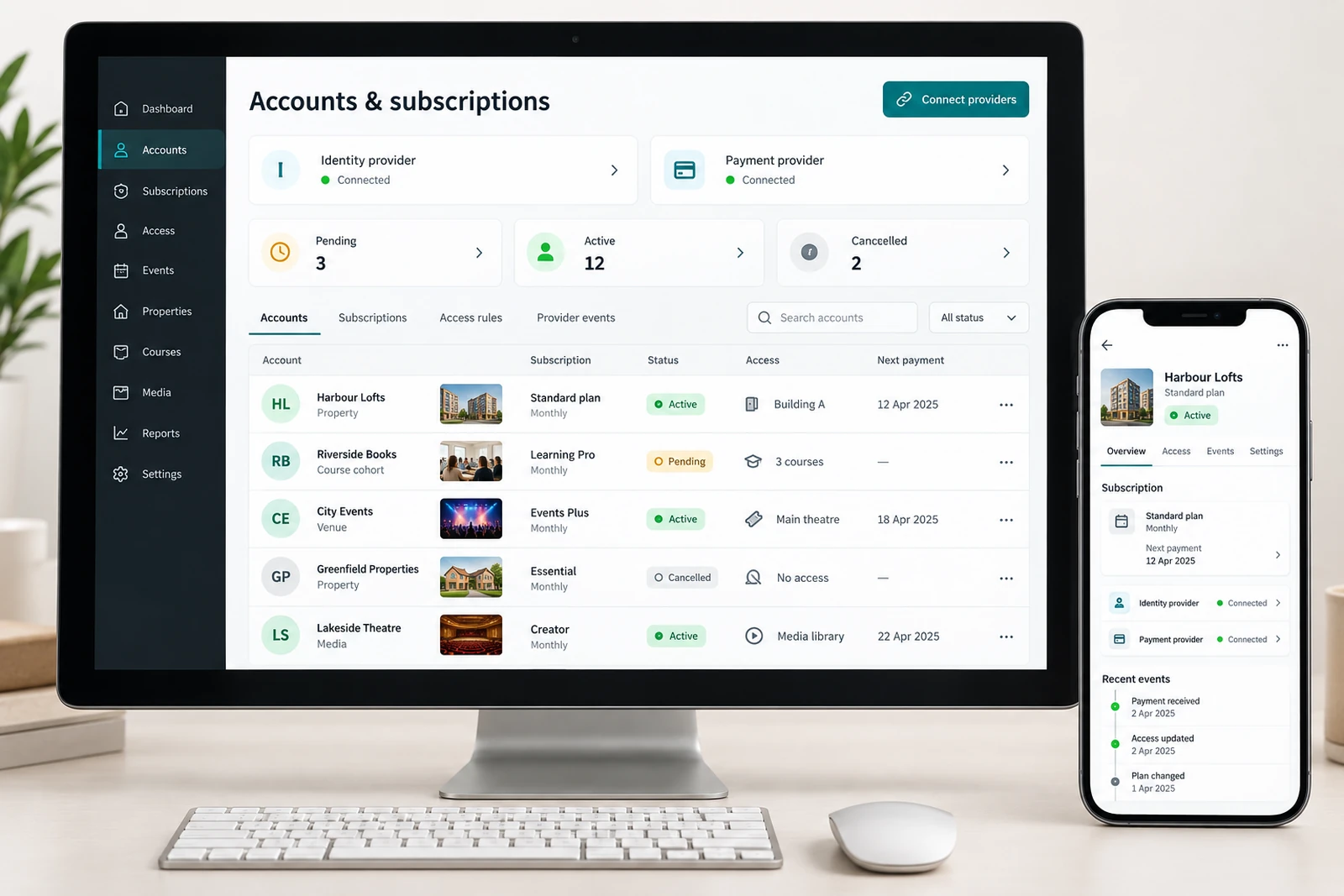
Startups & founders — Accounts and subscription management interface concept

Accounts and subscription management

The problem: Billing labels and permissions diverge from provider states.
What we can build

We can connect the chosen identity and payment providers, keeping pending, active and cancelled states explicit. Access changes follow verified provider events and agreed rules.

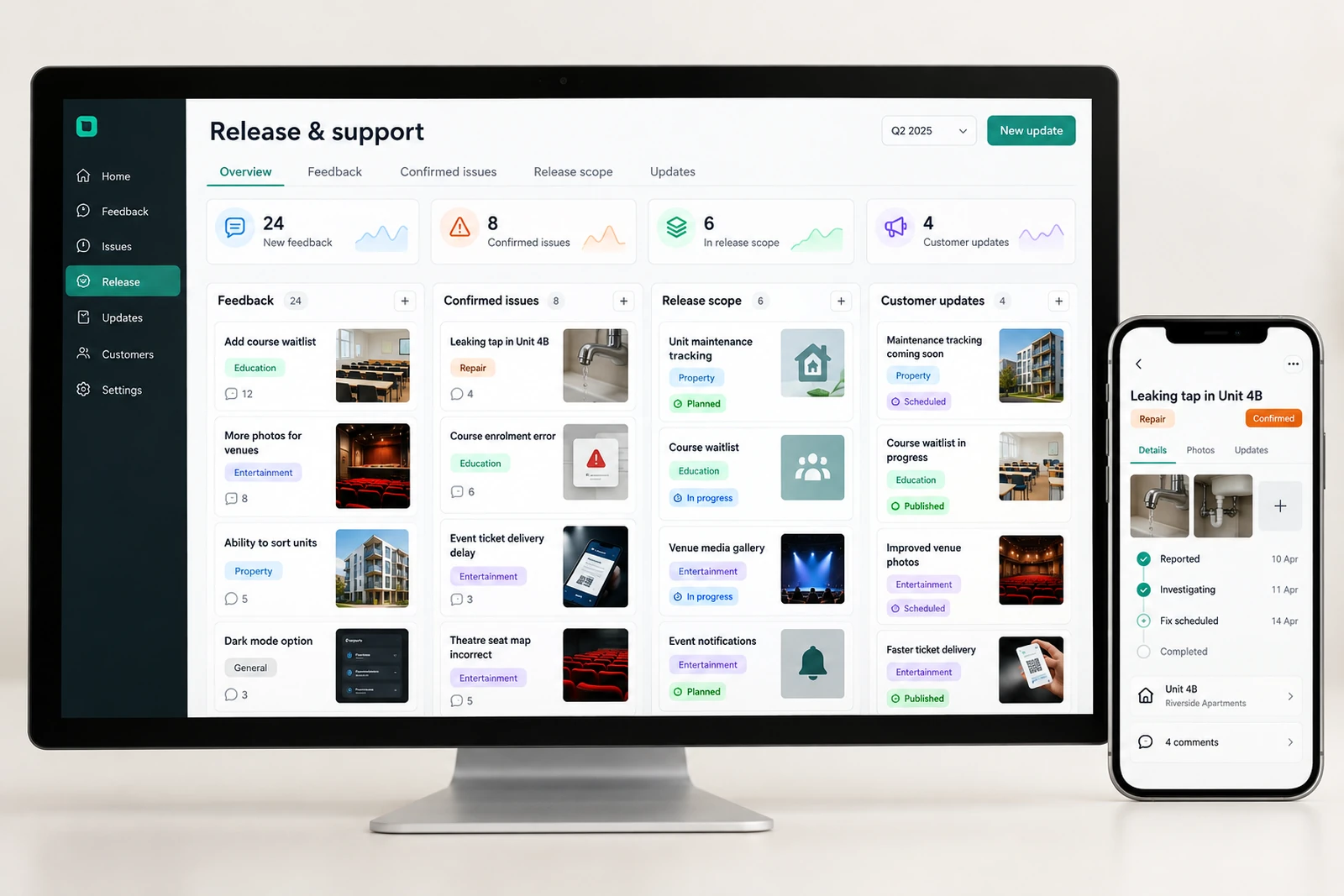
Startups & founders — Release and support workspace interface concept

Release and support workspace

The problem: Roadmap ideas, bugs and approved work become mixed together.
What we can build

A workspace can separate feedback, confirmed issues and committed release scope. Staff record decisions and customer-facing updates without promising every suggestion.

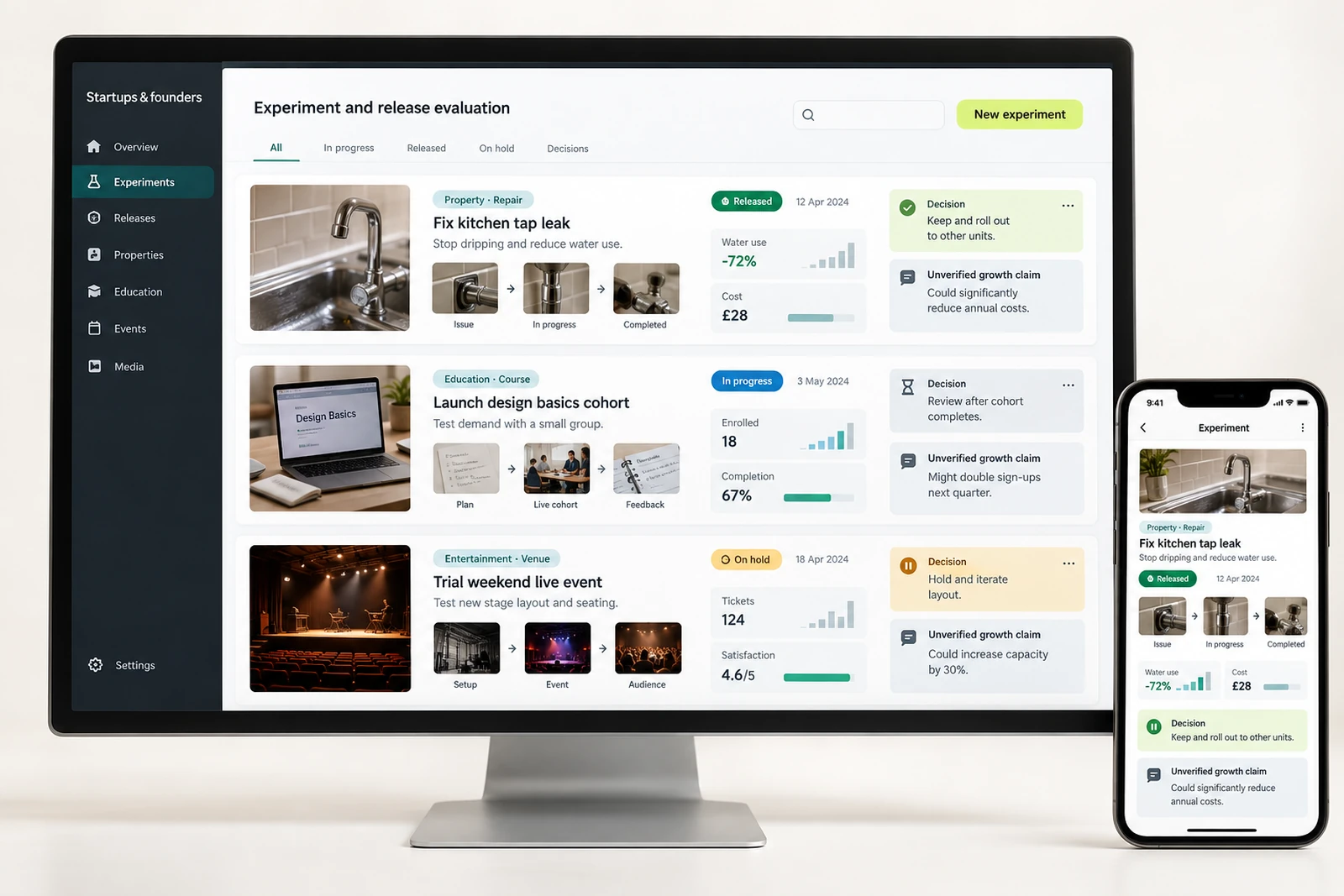
Startups & founders — Experiment and release evaluation interface concept

Experiment and release evaluation

The problem: Teams cannot connect feedback to a clear product hypothesis.
What we can build

A workspace can record the proposed change, intended task and observed results, with decisions separated from unverified growth claims.

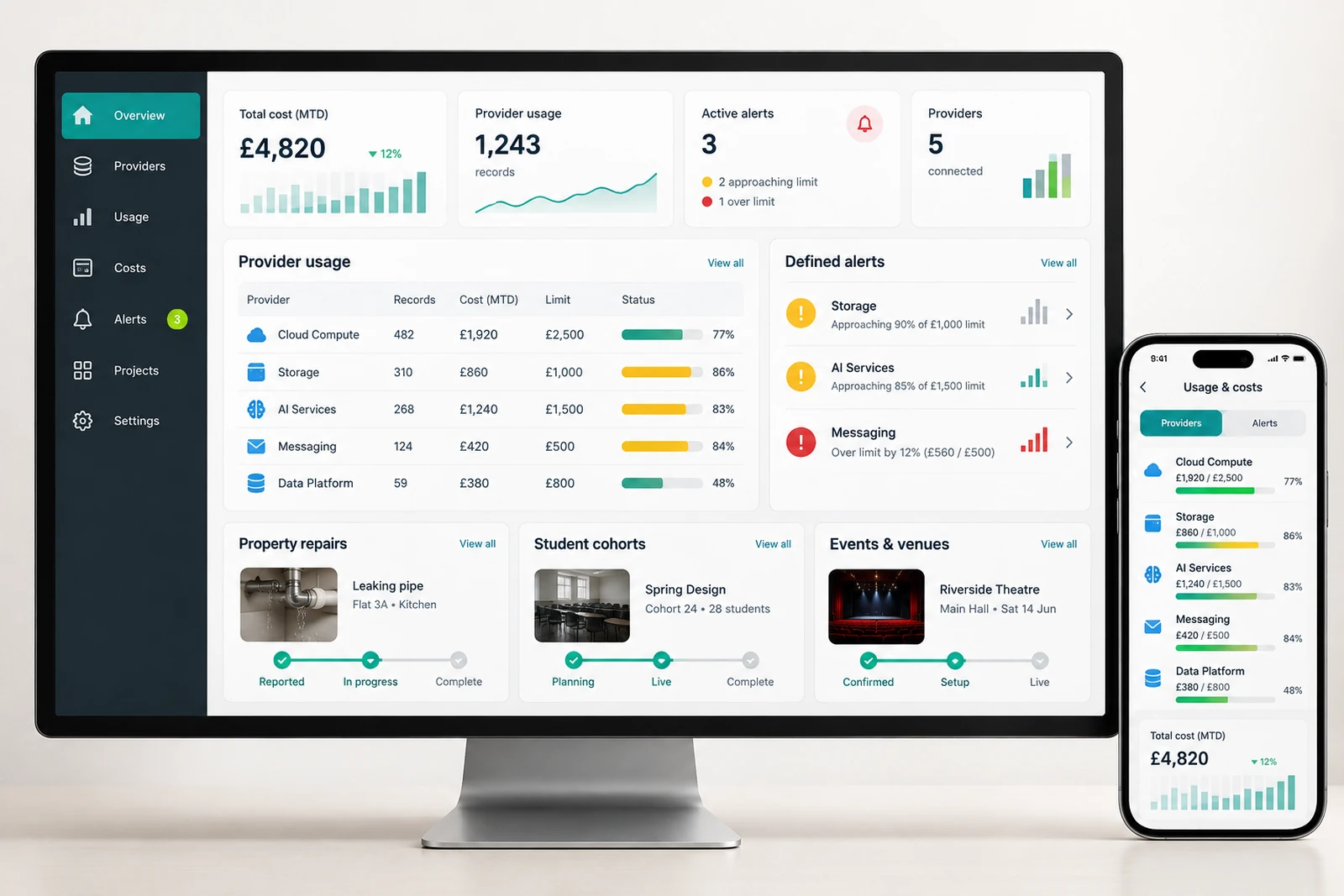
Startups & founders — Cost and provider usage visibility interface concept

Cost and provider usage visibility

The problem: External service usage grows without clear operational ownership.
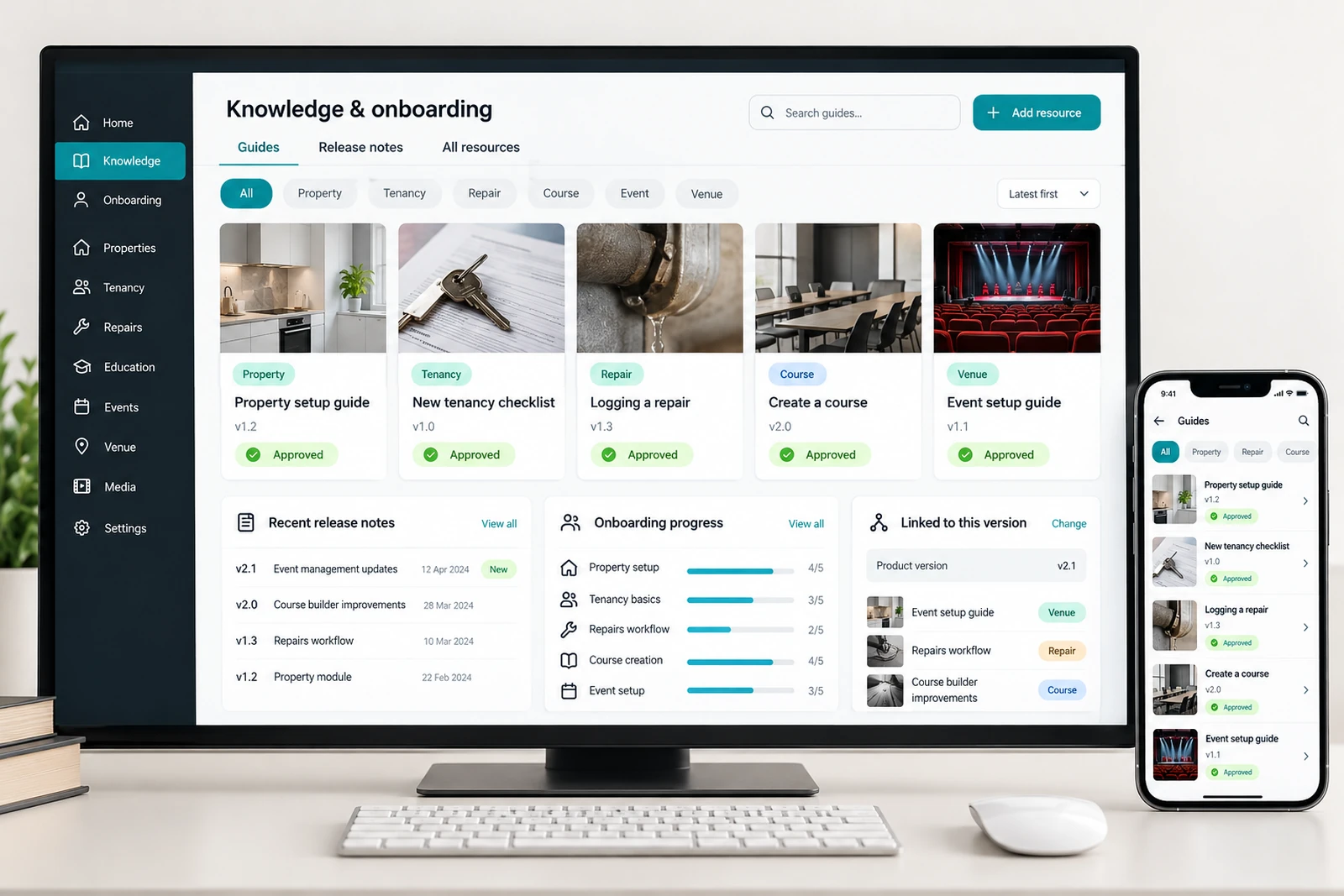
What we can build

A dashboard can display available provider usage records and defined alerts, with limits and billing responsibilities agreed before release.

Startups & founders — Knowledge and onboarding resources interface concept

Knowledge and onboarding resources

The problem: Support staff lack current product instructions.
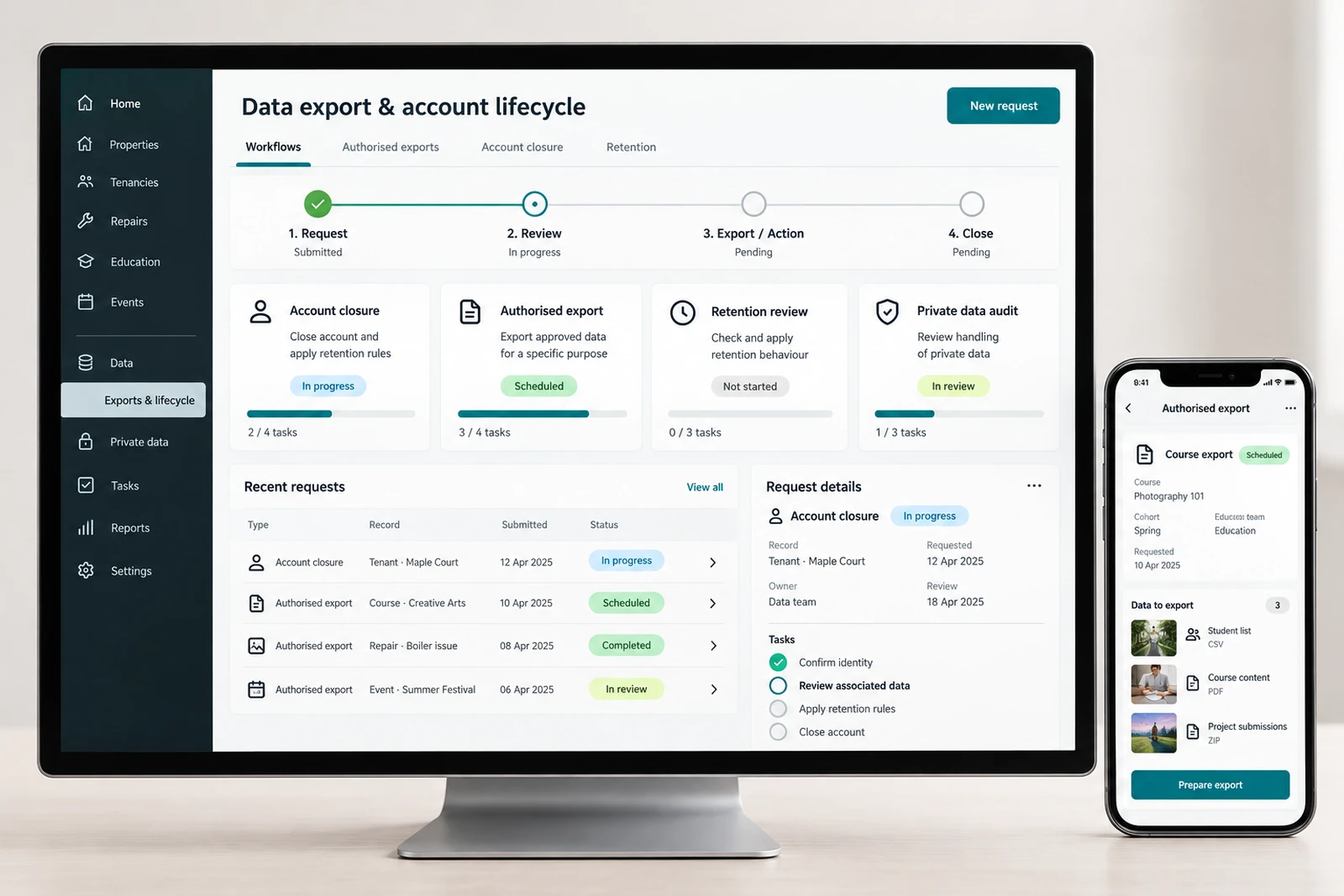
What we can build

A maintained library can hold approved setup guides and release notes, linked to the product version they describe.

Startups & founders — Data export and account lifecycle interface concept

Data export and account lifecycle

The problem: Early products overlook what happens when a customer leaves.

What we can build

We can scope account closure, authorised exports and retention behaviour as explicit workflows, with clear staff responsibilities and review of private data handling.

Founders planning a first product release in a small studio

Define the first version, prototype its main screens and build the core task.
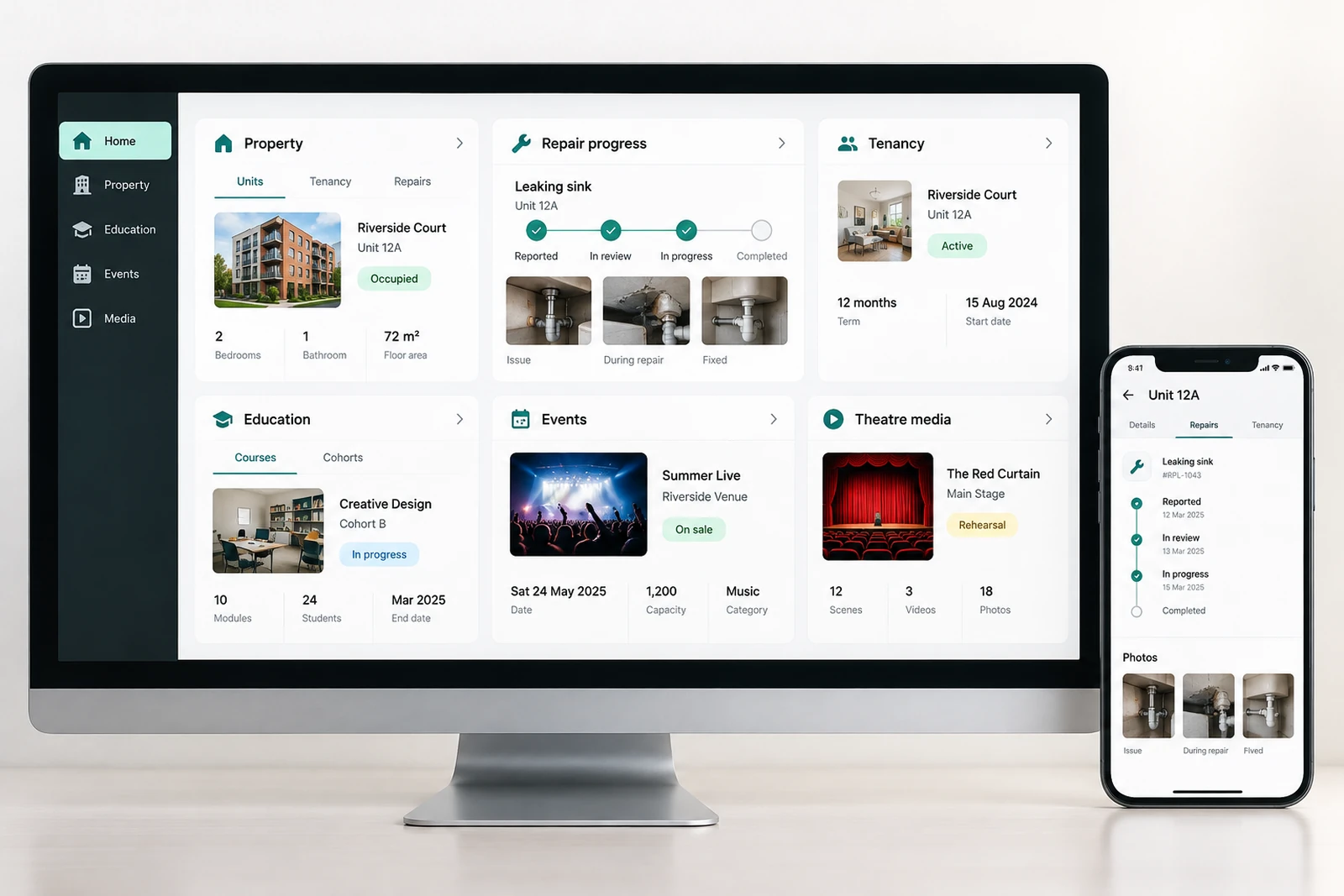
Startups & founders — Product prototypes interface concept

Product prototypes

Build a clickable version of the main screens to review the idea before development.
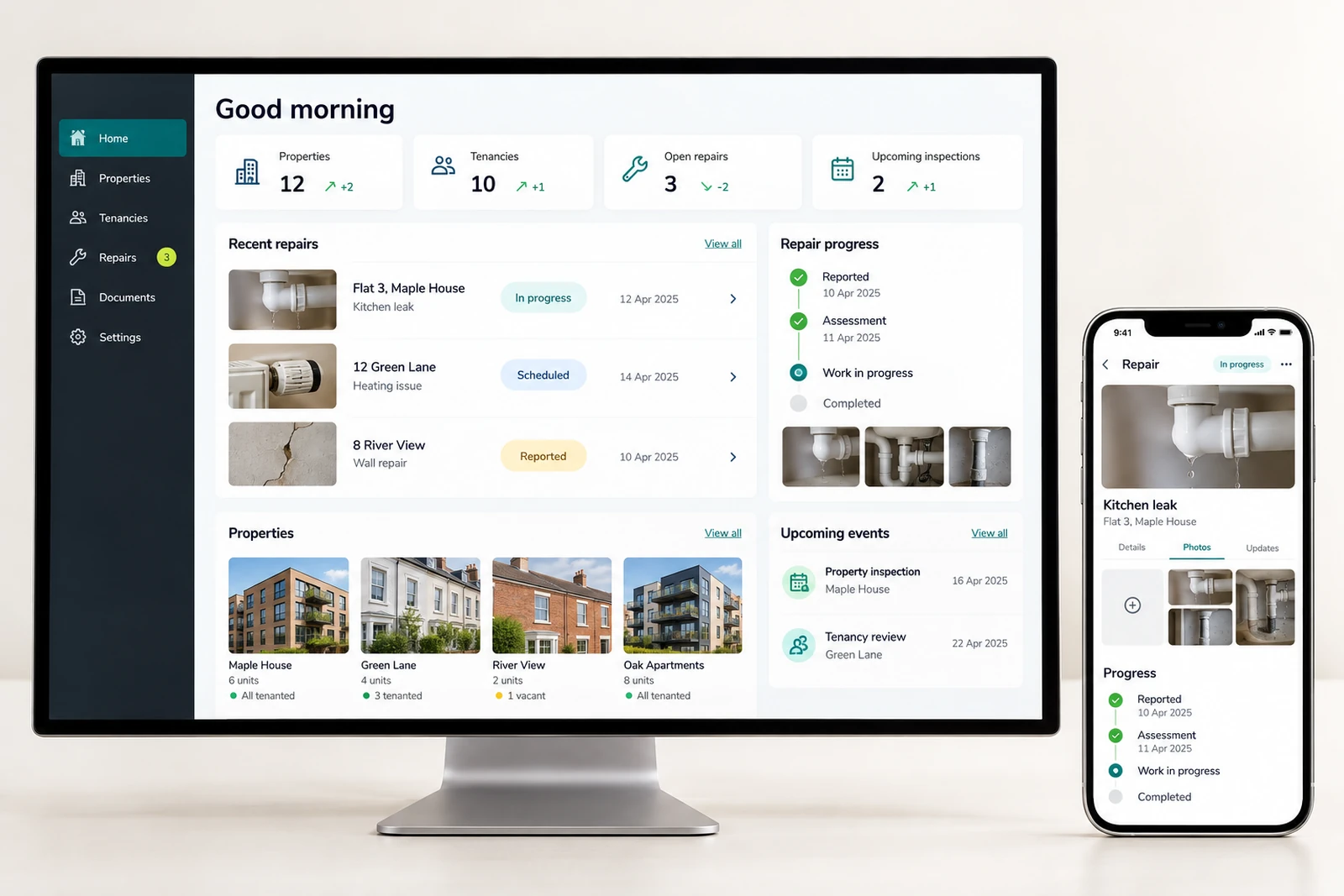
A prototype makes the proposed user journey reviewable before a production build. We focus on the main task, the information it needs and the points where someone could become confused. A clickable prototype is a design artefact and should not be mistaken for a working backend.

Startups & founders — MVP development interface concept

MVP development

Build a first version that supports the core task and can be tested with users.
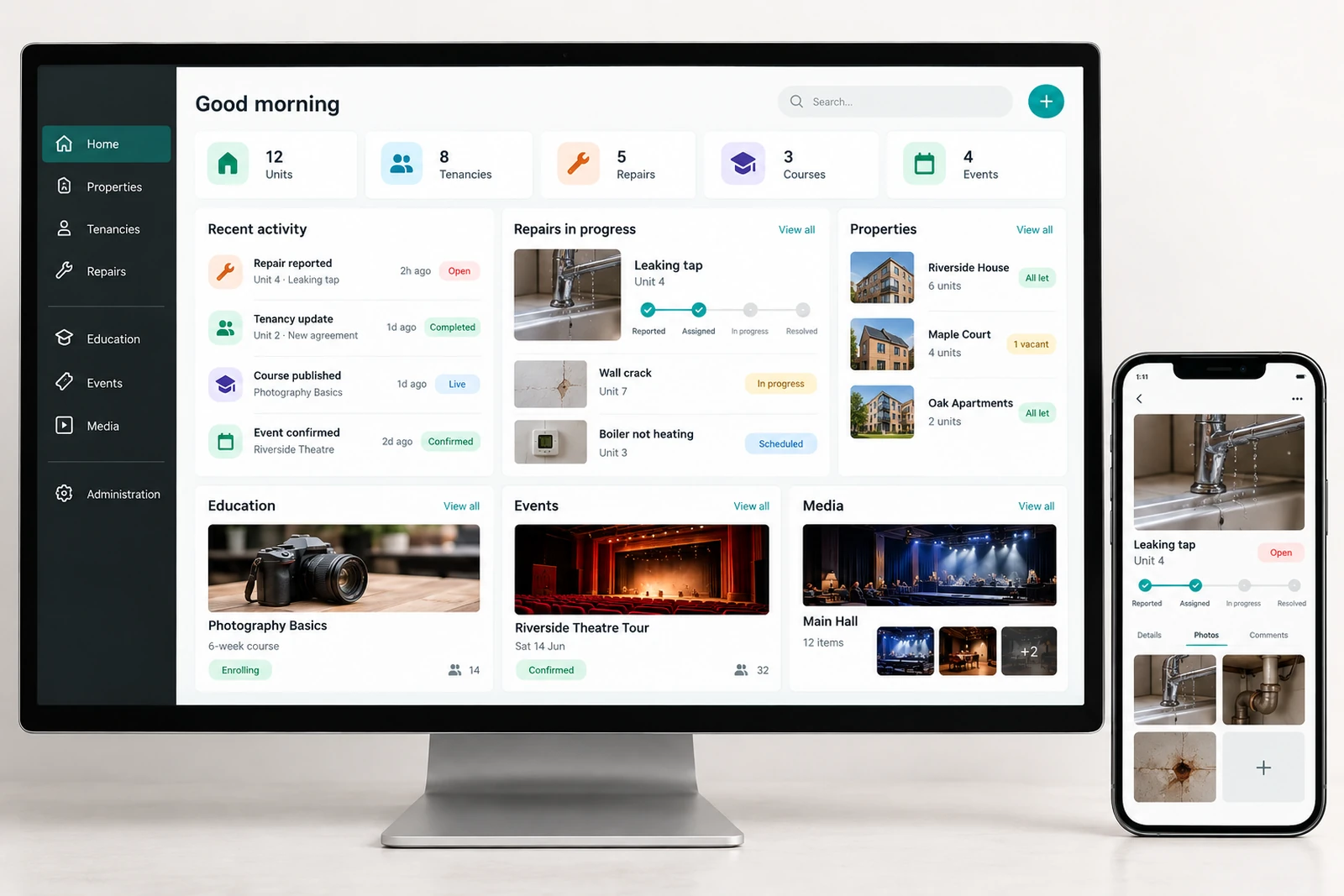
An MVP should support a defined first task rather than contain every future feature. We agree acceptance criteria, identify manual operational steps and decide what evidence the release should provide. New features can then be prioritised from observed use instead of assumed demand.

Startups & founders — SaaS applications interface concept

SaaS applications

Plan and build the account setup, main workflow and administration a software service needs.

A software service needs account boundaries, onboarding and administration as well as its central feature. We review permissions, subscription states where relevant and support access. External services and their costs are identified so the operating responsibilities are clear before launch.

Planning and delivery

A clear route from requirements to release.

Understand
We discuss your users, requirements and constraints, then agree on the scope.
Design
We map the main tasks and use prototypes to review the screens and flow.
Develop
We build in stages, share working versions and test the agreed features.

GOOD QUESTIONS

Planning your startups & founders project.

Do we need to replace all our existing tools?

No. We review what you already use and look at whether integration, a focused improvement, or a new build is the best fit.

Can the project be delivered in stages?

Yes. We can organize the work around a first useful release and a prioritized list of later improvements.

How do you learn about our requirements?

We discuss your audience, everyday workflow, content, integrations, and constraints before proposing a solution.

Explore all industries · Explore our services

Discuss your project ↗